How to Prepare Your Interpreter for Success
A successful interpreted event is a partnership. The time you invest in preparation directly impacts the quality of interpretation you receive.

A successful interpreted event is a partnership. While I bring linguistic expertise and professional technique, you hold something equally valuable: knowledge of your business, your goals, and the context that makes communication meaningful.
The time you invest in preparation directly impacts the quality of interpretation you receive. Here’s how to set your interpreter up for success.
Why Preparation Matters
When you brief me properly before an event, several things happen:
- Higher accuracy: I can research terminology, understand your industry context, and anticipate challenges
- Smoother flow: Fewer pauses for clarification, fewer interruptions to your meeting rhythm
- Better outcomes: Your message lands as intended, nuances intact
- Time savings: Prepared interpretation is faster interpretation
The difference between a well-briefed interpreter and an unprepared one is immediately noticeable. Your audience will feel it, even if they can’t articulate why.
The Ideal Timeline
For complex assignments (technical conferences, high-stakes negotiations, specialized industry events), I request materials at least two weeks in advance. This allows time to:
- Research unfamiliar terminology
- Build specialized glossaries
- Study your company and sector
- Clarify questions before the event
For simpler meetings, one week is usually sufficient. However, the more complex the subject matter, the more preparation time benefits everyone.
What happens with short notice? I can still deliver professional interpretation, but you’re paying for my skill rather than my full potential. Last-minute assignments limit my ability to research your specific context, and the interpretation, while competent, won’t reach the same level of precision.
What to Share with Your Interpreter
Documents and materials:
- Agenda and schedule
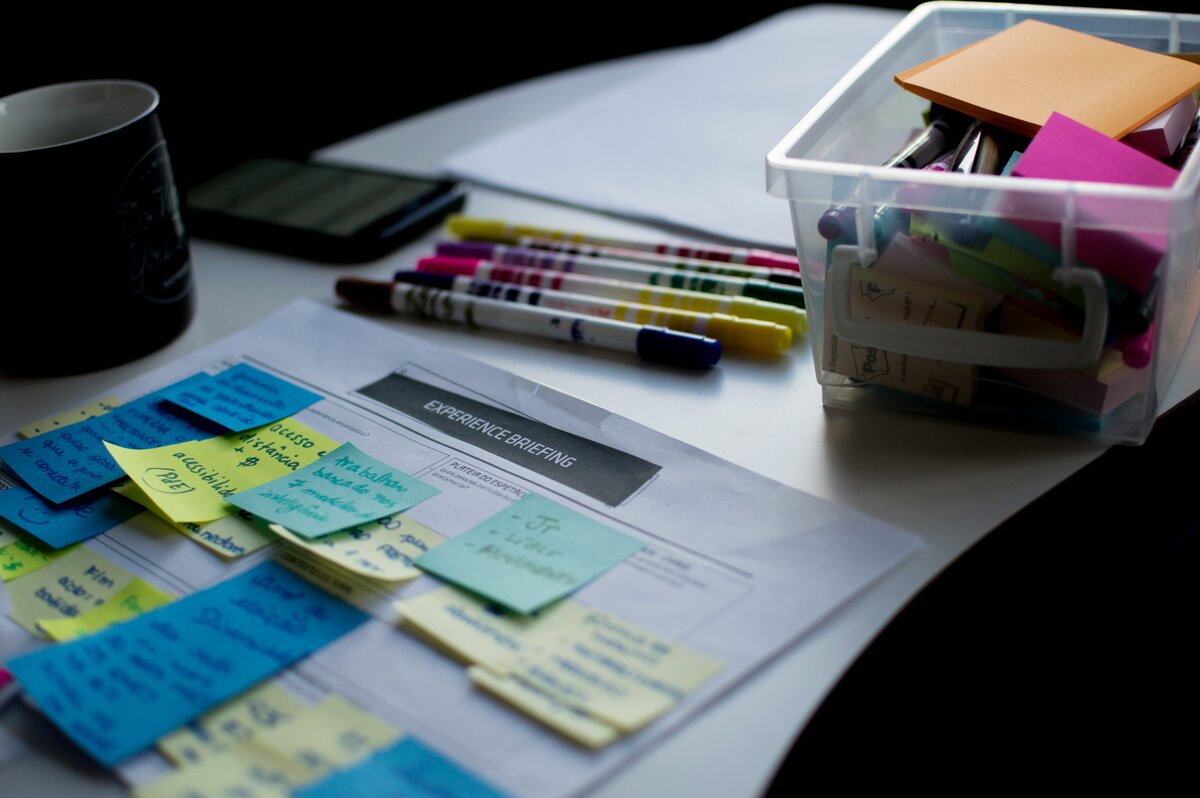
- Presentation slides (even in draft form)
- Any documents that will be discussed or referenced
- Previous meeting minutes, if relevant
- Contracts, technical specifications, or reports under discussion
Background information:
- Company overview and what you do
- Product or service information relevant to the meeting
- Who your clients are and what challenges they face
- Recent news or developments in your organization
Terminology:
- Glossaries of internal terms
- Acronyms and their full meanings
- Industry-specific jargon you use regularly
- Any terms you want translated a particular way
Don’t worry about overwhelming me with materials. I’d rather have too much context than too little. I’ll identify what’s most relevant and focus my preparation accordingly.
The Briefing Conversation
Beyond documents, a brief conversation before the event is invaluable. I’ll typically ask about:
Meeting purpose and goals What do you want to achieve? A signed contract? Relationship building? Information sharing? Understanding your objectives helps me emphasize the right elements.
Attendees Who will be present, their roles, and their relationship to each other. Are there any dynamics I should be aware of? Previous history between parties?
Topics to cover The key points you plan to address, and any topics that might come up unexpectedly.
Sensitive areas Are there subjects to handle delicately? Cultural considerations? Points of potential disagreement?
Formality level Some meetings call for formal register, others for conversational warmth. Knowing your expectations helps me match the tone.
Practical Logistics
Venue and setup For in-person events, I need to know where to go, parking or access arrangements, and room layout. For remote interpretation, technical requirements and platform details.
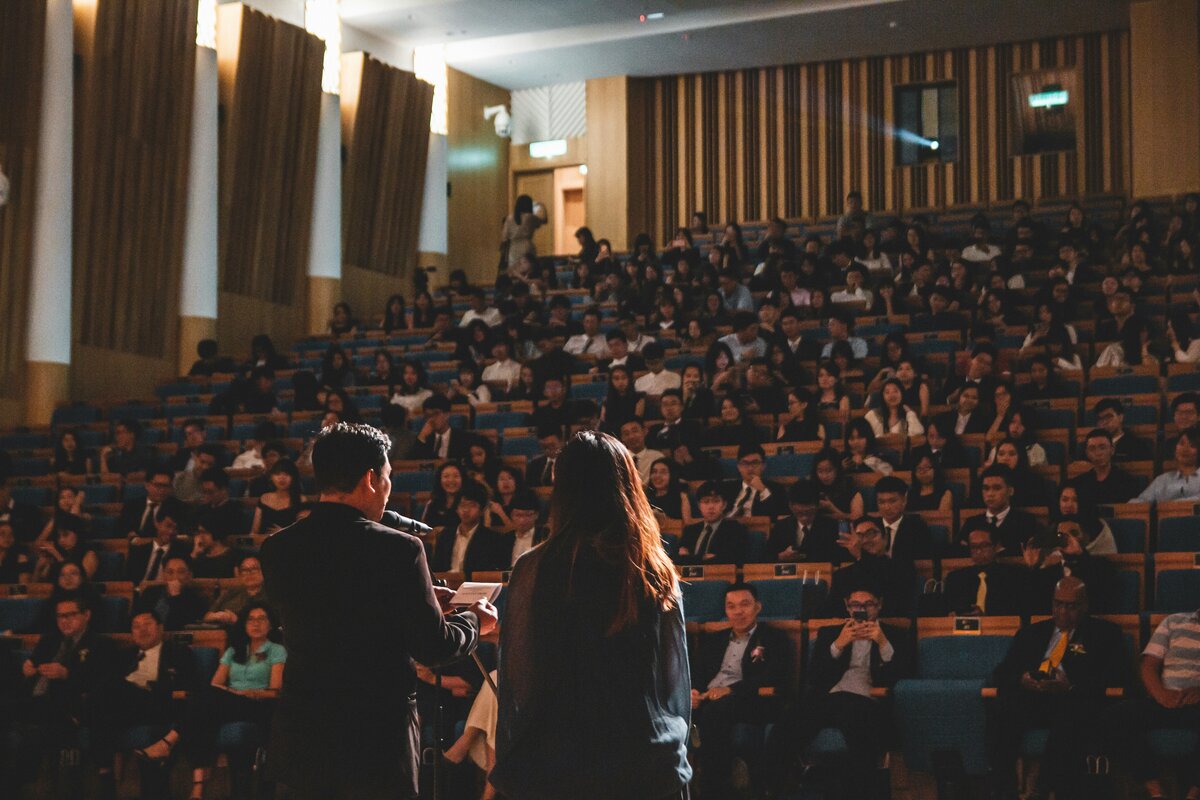
Equipment Will interpretation booths and equipment be provided, or should I arrange this? For consecutive interpretation, are there microphones? For remote sessions, what platform are we using?
Speaking arrangements Who speaks when? Will there be Q&A? How should I handle multiple speakers or interruptions?
Breaks Interpretation is cognitively demanding. For sessions longer than 90 minutes, planned breaks help maintain quality. For full-day events, working with a colleague allows us to switch off and stay sharp.
During the Meeting
On the day, a few simple practices make a significant difference:
Speaking pace: Normal conversational speed is fine, but avoid machine-gun delivery. Pause between key points.
Clarity: Speak to be understood. Complete sentences help more than fragments. If using notes, don’t read verbatim at reading speed.
Visuals: If you’re showing slides or documents, give the audience (and interpreter) a moment to read before speaking over them.
Questions: Direct questions to the other party, not to me. “Ask them if…” becomes awkward; simply ask your question naturally.
Introduce me: A brief introduction at the start establishes my role and helps everyone feel comfortable.
After the Meeting
Feedback is always welcome. If something worked particularly well, or if there’s something you’d like handled differently next time, let me know. This helps me refine my approach for future work together.
For clients I work with regularly, I maintain glossaries and reference materials that grow over time. Each engagement builds on the last, and the interpretation quality compounds.
Preparation Checklist
2+ weeks before:
- Book your interpreter
- Share the agenda and meeting purpose
- Provide company and product background
1 week before:
- Send presentation slides and documents
- Provide the attendee list
- Explain internal jargon and acronyms
- Flag any sensitive topics or cultural considerations
Day before:
- Confirm logistics and timing
- Share any final materials or updates
- Address last questions
On the day:
- Introduce the interpreter to key participants
- Confirm equipment is working
- Review speaking order and break schedule
Making It Easy
I understand that you’re busy and preparation can feel like one more task on a long list. But here’s the reality: even partial preparation helps. A 15-minute phone call and a few key documents make a noticeable difference.
If you’re unsure what materials would be most useful, just ask. I can tell you exactly what would help for your specific event.
The goal is simple: your message, delivered with precision and nuance, in a language your audience fully understands. The better we prepare together, the better that outcome.
Ready to discuss your next interpreted event? Get in touch.
Want to understand what your interpreter does with the materials you provide? Read the companion piece: Why Preparation is Key: Behind the Scenes of Professional Interpreting.
Learn more about my simultaneous, consecutive, liaison, and whispered interpreting services, or explore the different types of interpreting to find the right fit for your event.